Understanding the psychological triggers behind casino gambling behavior
The Illusion of Control
One of the primary psychological triggers behind casino gambling behavior is the illusion of control. Gamblers often believe that they can influence the outcome of games, even those that are entirely based on chance, such as slot machines or roulette. Interestingly, some players engage with online poker sites, reinforcing their belief that their decisions can sway the results in their favor. This misconception can lead players to engage in repeated gambling.
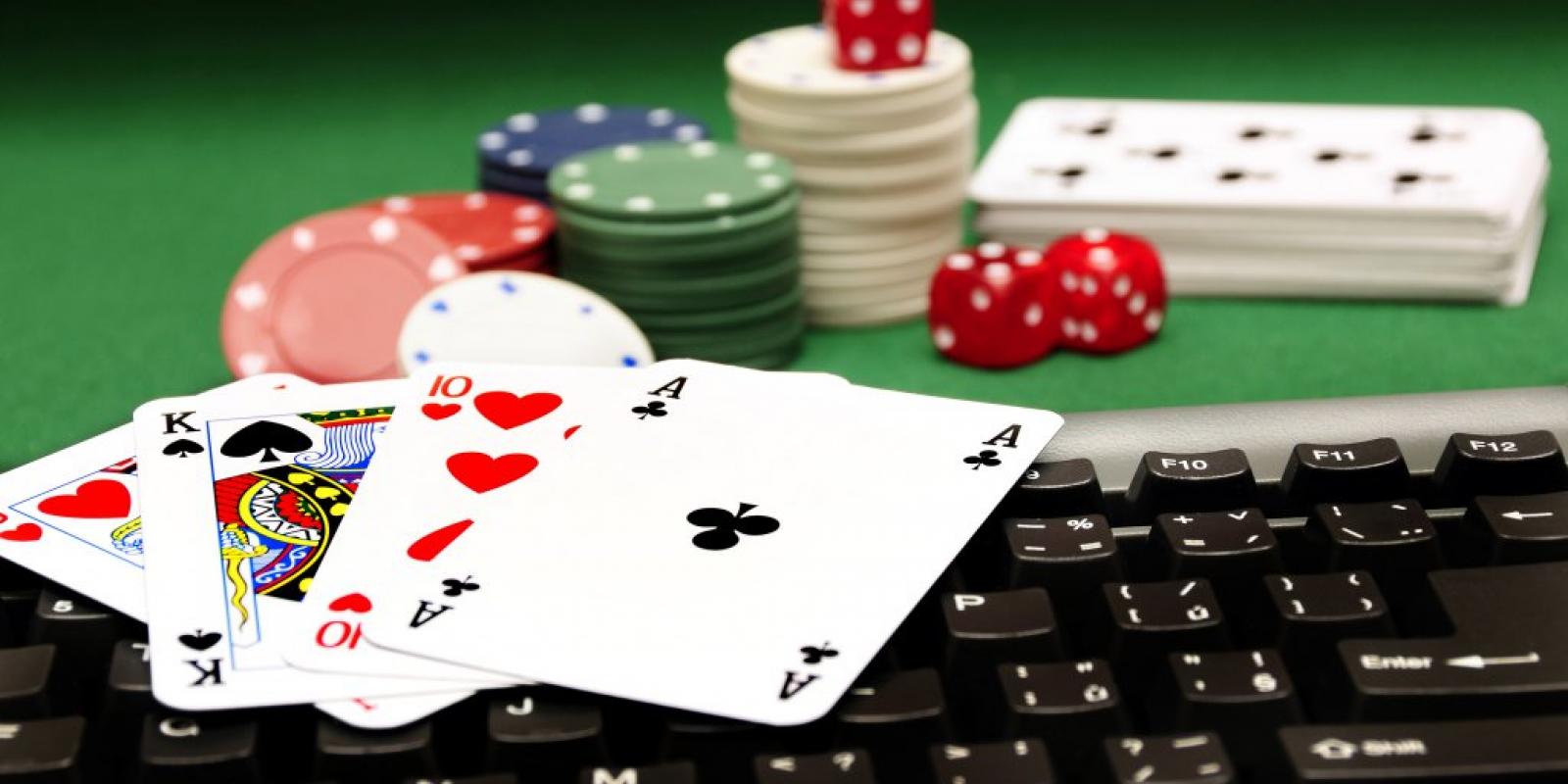
This belief can be particularly strong in games where skill is involved, such as poker or blackjack. Players may think their strategies give them a competitive edge, reinforcing their desire to keep gambling. This psychological state can make it difficult for individuals to recognize the randomness inherent in many gambling activities.
The Role of Reward Systems
The brain’s reward system plays a crucial role in gambling behavior. When a player wins, the brain releases dopamine, a neurotransmitter associated with pleasure and reinforcement. This surge creates a positive feedback loop, encouraging players to gamble more to replicate the high. The anticipation of winning can be just as thrilling as the actual win, leading to a cycle of repeated gambling.
Moreover, the structure of many casino games is designed to exploit this reward mechanism. Variable reinforcement schedules, where players receive rewards at unpredictable intervals, can keep them engaged for longer periods. This unpredictable reward system makes it harder for individuals to walk away, as they are constantly chasing the next high.
The Social Environment
The social aspect of gambling significantly impacts behavior. Casinos are often designed as communal spaces where players can interact with one another, share experiences, and celebrate wins. This social environment can amplify the excitement of gambling and create a sense of belonging among players.
Furthermore, group dynamics can influence individual decisions. Seeing others win or engaging in social betting can lead to increased gambling behavior, as individuals may feel pressured to participate. This social contagion can make it challenging for gamblers to recognize their limits and exit the gambling environment, leading to potentially harmful patterns of behavior.
Emotional Triggers
Emotions play a significant role in gambling behavior, often serving as triggers for gambling activities. Many individuals turn to gambling as a form of escapism, using it to cope with stress, anxiety, or depression. The thrill of gambling can provide temporary relief from negative emotions, creating a cycle where individuals use gambling as a coping mechanism.
Additionally, the highs and lows of gambling can mirror emotional states. Winning can lead to feelings of euphoria, while losses may trigger frustration or despair. This emotional rollercoaster can make gambling an appealing activity, even when it leads to negative consequences, as individuals seek to recapture the highs associated with winning.
Security Measures and Responsible Gambling
Understanding the psychological triggers behind casino gambling behavior is crucial for promoting responsible gambling practices. Websites often implement security measures to help protect users from excessive gambling, offering resources to help individuals recognize harmful patterns. These measures may include self-exclusion options and links to support services.
By educating players about the psychological aspects of gambling and encouraging responsible behavior, casinos can foster a healthier gaming environment. Increasing awareness of the emotional and social factors influencing gambling can help individuals make informed choices and seek help when necessary, ultimately contributing to a safer gambling experience.
